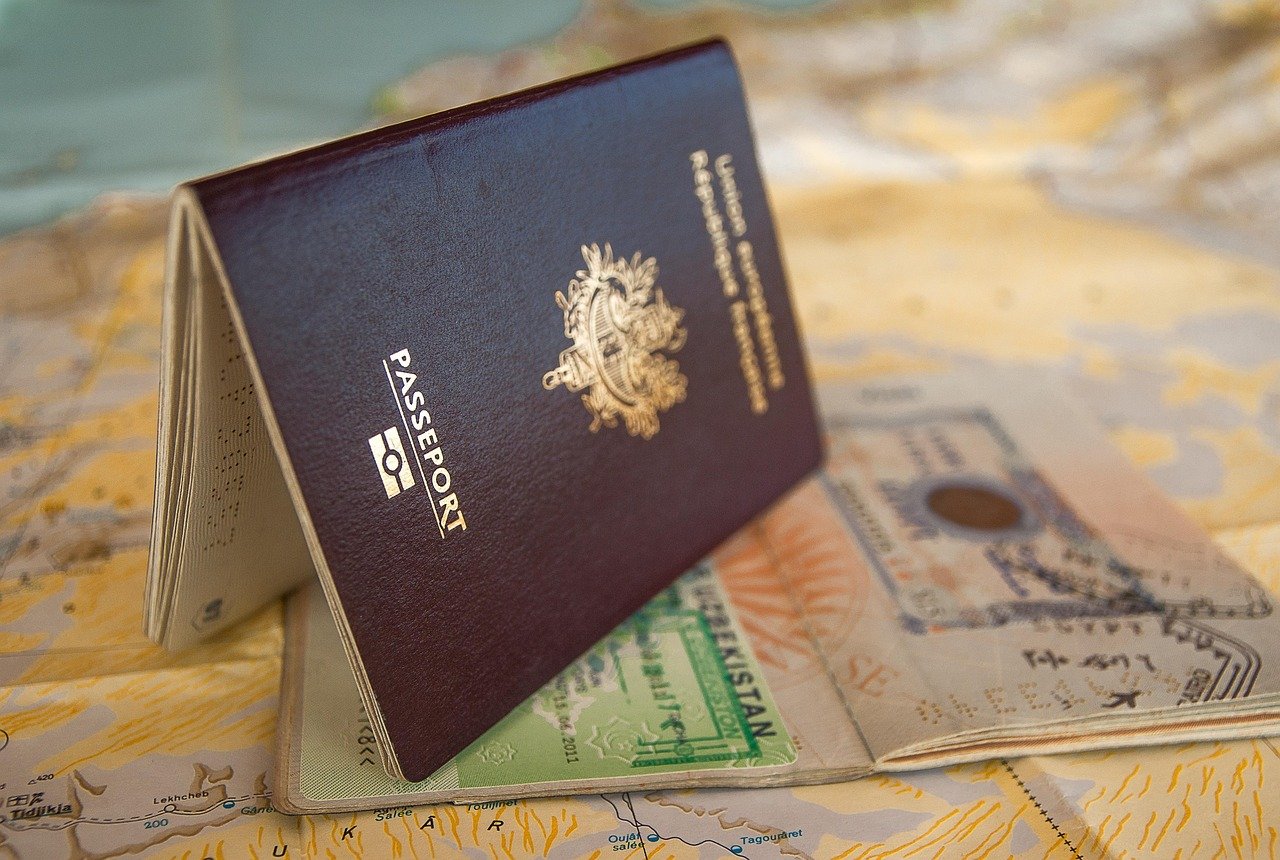
National Visa (Type D) for study, then residence permit after arrival
After admission and core proof (funds + health insurance)
Can take weeks to months depending on checks and mission workload
Often a “blocked account” or equivalent accepted funding evidence
Spouse/children usually apply via family reunification (separate application)
Indian students must obtain a Japan Student Visa (College Student status of residence) for full-time academic programmes lasting more than 90 days.
Yes. The Japanese university applies for the Certificate of Eligibility on behalf of the student. The COE is mandatory before submitting the visa application at the Embassy or Consulate.
English proficiency tests such as IELTS or TOEFL may be required for English-taught programmes. Japanese-taught courses typically require JLPT certification.

Students must show sufficient financial resources to cover tuition fees and living expenses, supported by bank statements or sponsor documents.
Many institutions require payment of admission fees or part tuition before issuing documents for visa processing.
Yes. Students must enrol in Japan’s National Health Insurance scheme after arrival.
Students may work part-time up to permitted weekly hours after obtaining a work permission stamp from immigration authorities.
The visa validity corresponds to the approved period of study and may require renewal during long programmes.
Proof of accommodation or university housing confirmation is generally required during application.
Inadequate financial documentation, incomplete COE records, or unclear academic purpose can affect approval.